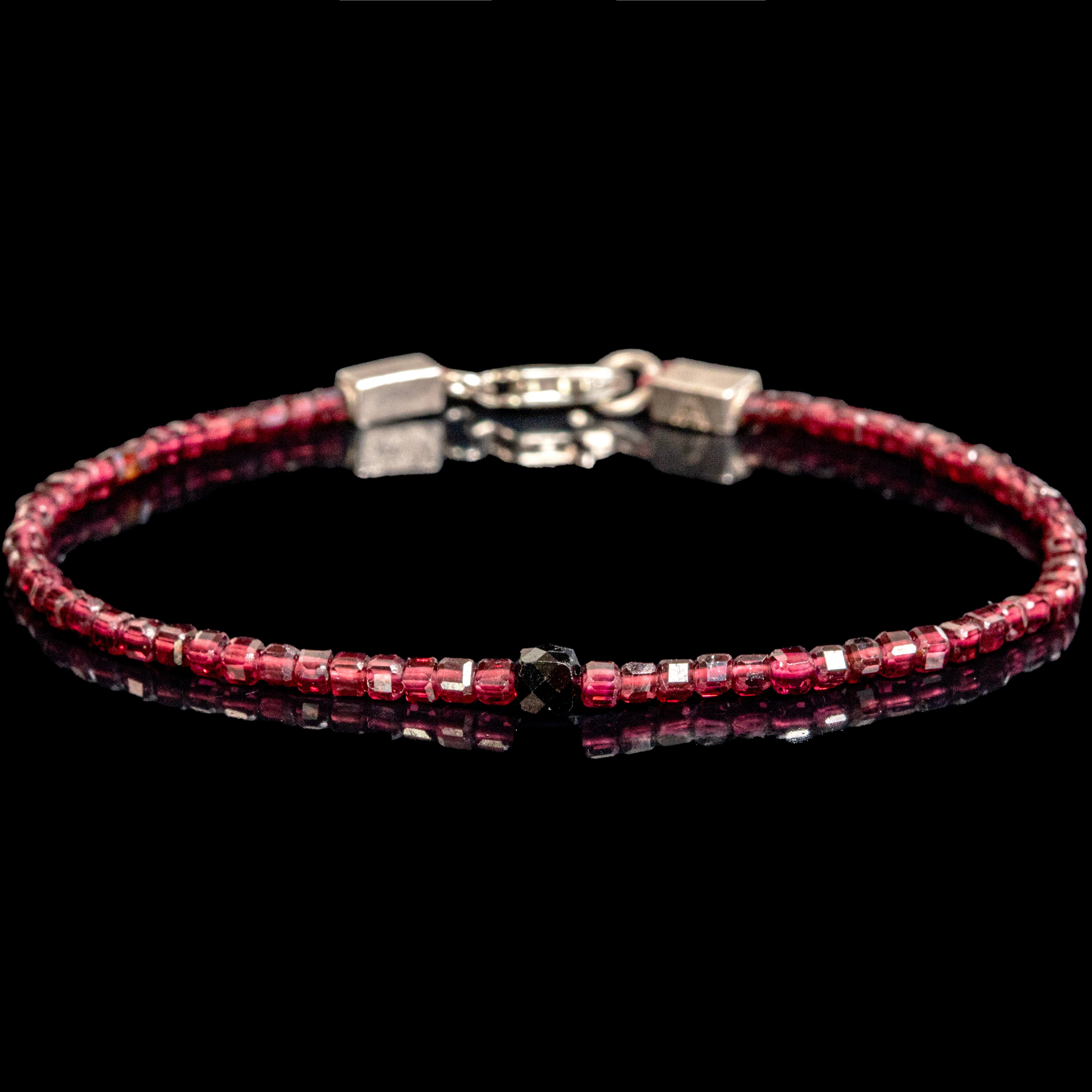
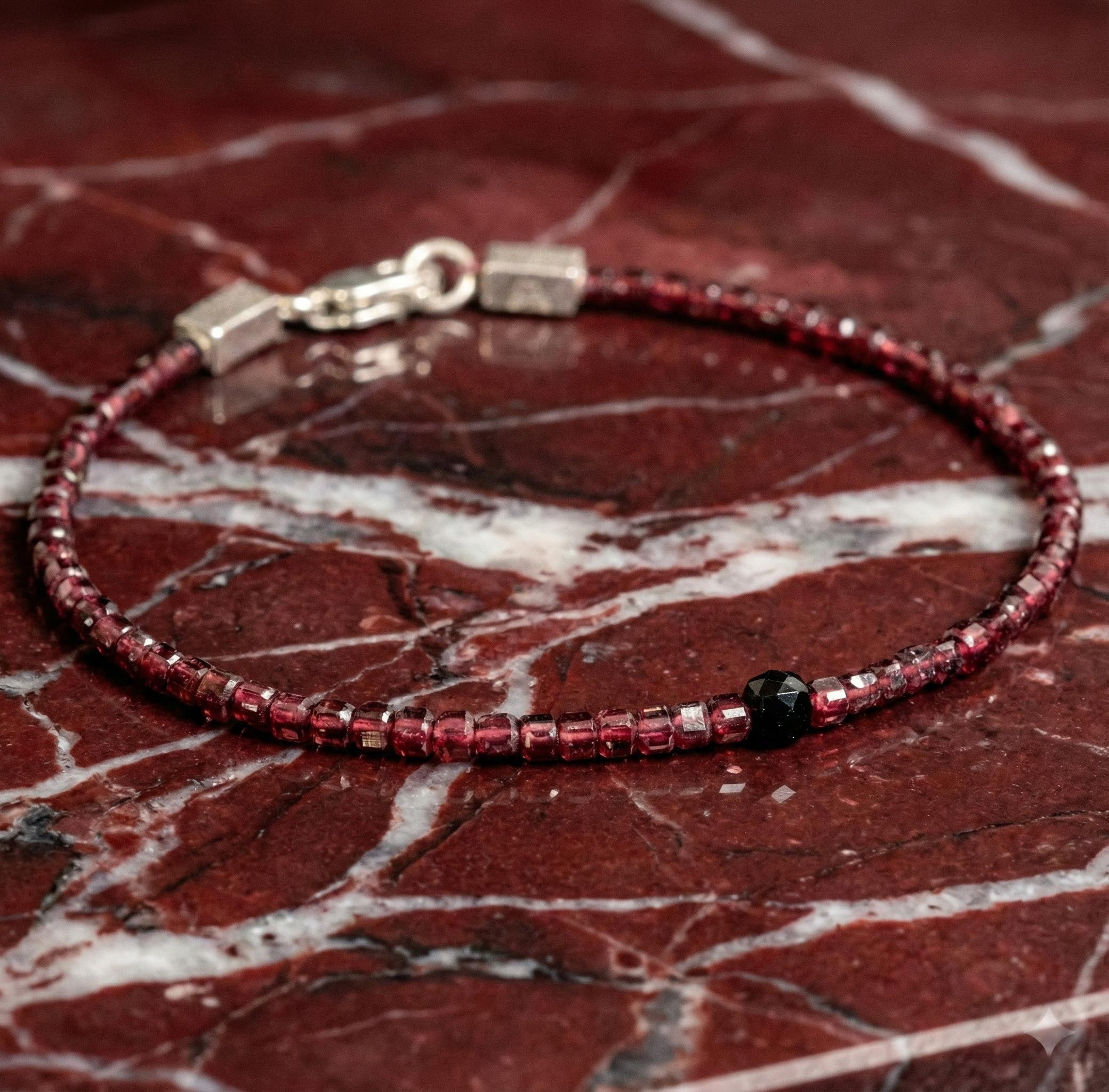
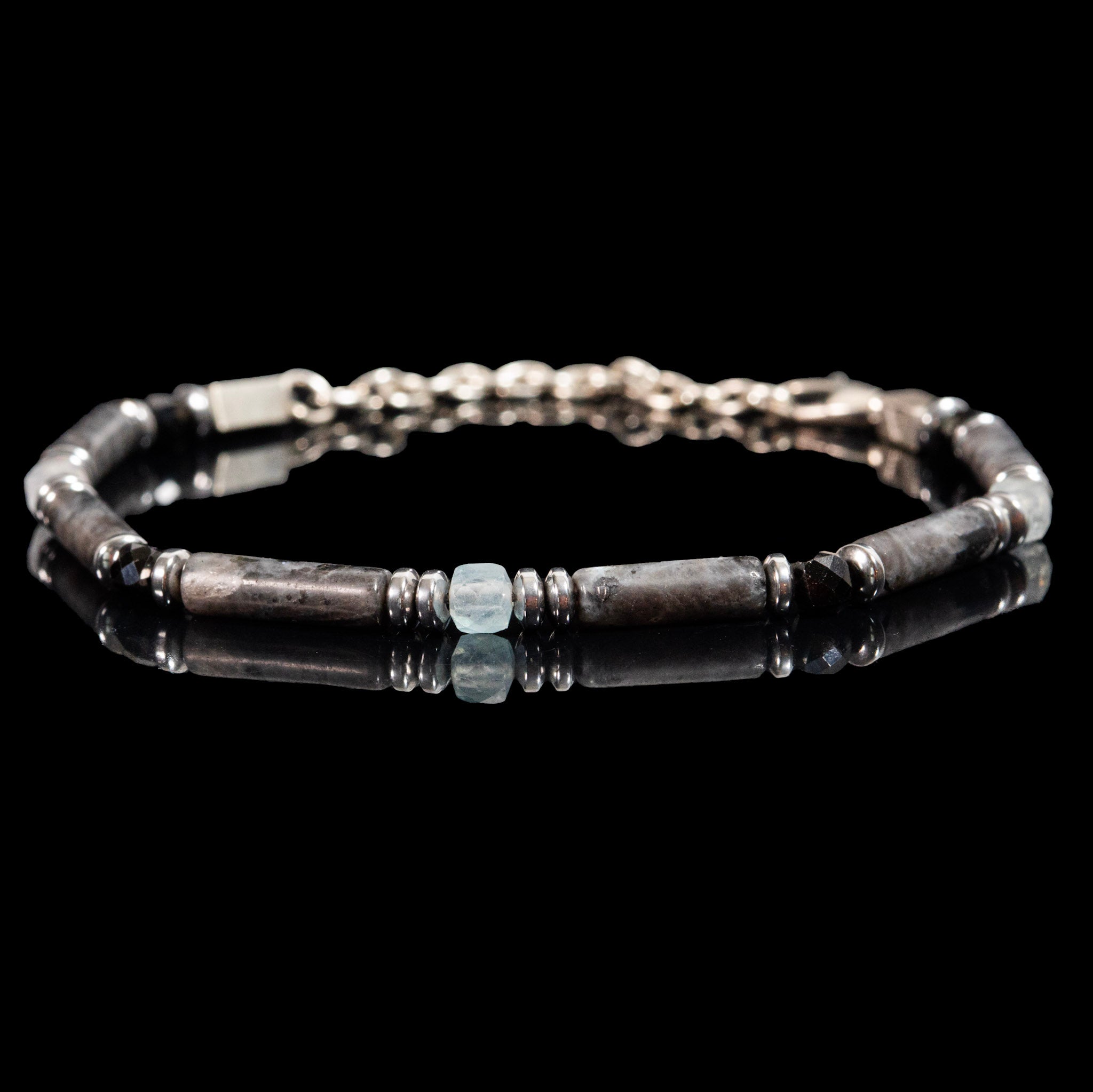
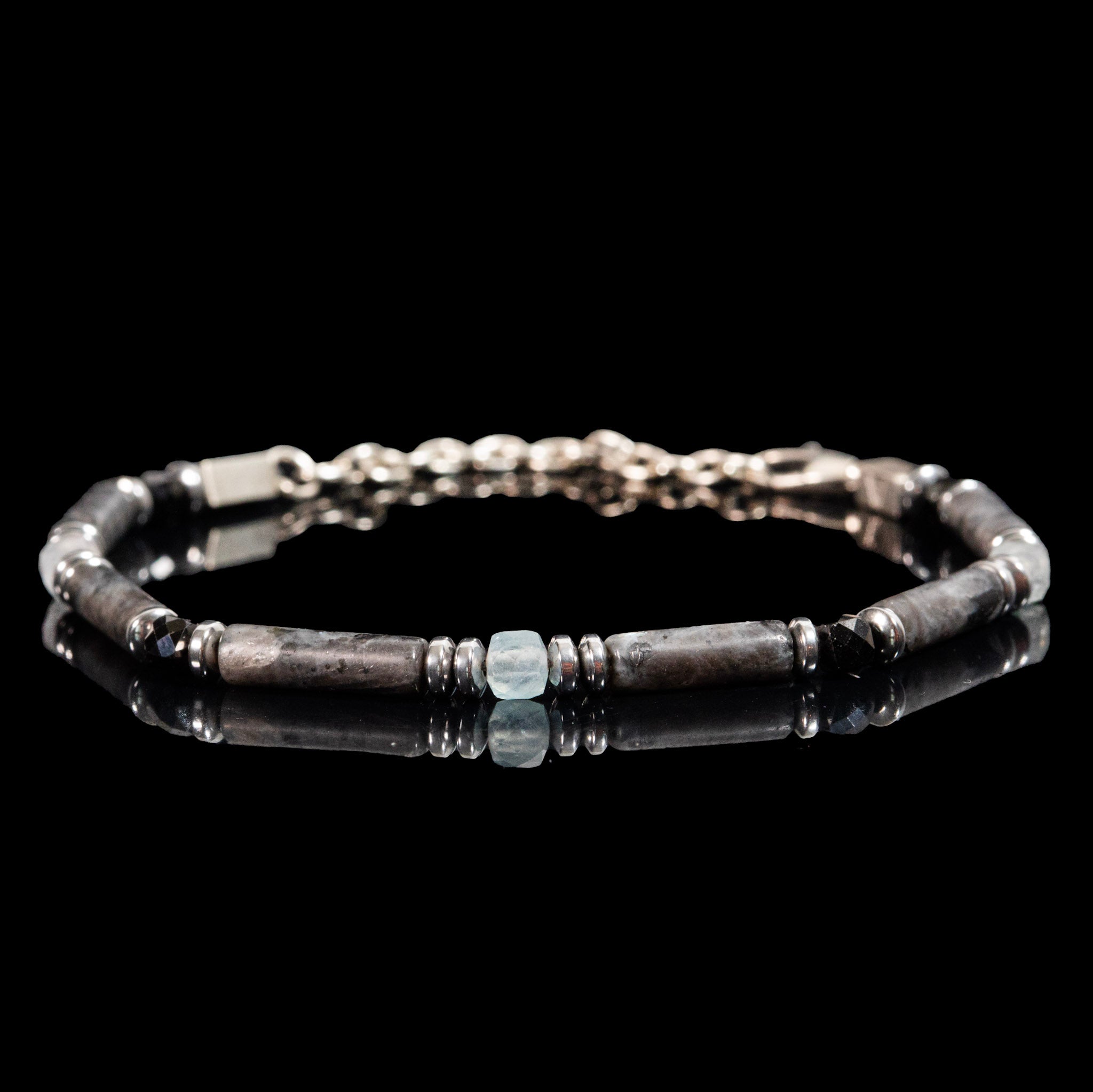
Fluorite
THE KEEPER OF THE RAINBOW
Known to gemologists as the "most colorful mineral in the world," Fluorite is a hypnotic gem that seems to hold a light of its own. Its very name comes from the Latin fluere ("to flow"), fitting for a stone that guides energy with such grace. While science defines it by its perfect cubic crystal structure, the eye sees something far more magical: a stone that can shift from deep violet to sea-green, and even glow with a blue ethereal light under the sun—a phenomenon literally named fluorescence after this gem. It is not just a stone; it is crystallized light, acting as a prism for the soul.
This gem carries a legacy of immense luxury. In ancient Rome, Fluorite was the secret behind the legendary Murrhine vases—vessels so precious that Emperor Nero once traded a king's ransom for a single cup. Pliny the Elder described these masterpieces as having a "purple and white" radiance and a divine scent, believing they enhanced the flavor of fine wine. In the East, it was revered as the "Dream Maker," a talisman placed near the bed to guard the spirit and unlock the wisdom of the heavens during sleep.
For the modern seeker, Fluorite is the ultimate "Genius Stone." Its orderly internal structure is believed to bring order to chaos, acting as a psychic vacuum that clears mental fog and creates space for higher wisdom. Just as ancient metallurgists used it to remove impurities from gold and silver, we use it today to purify the aura. Wearing Fluorite is a commitment to clarity, aligning your thoughts with your highest purpose and allowing your personal energy to flow without obstruction.
Gemological & Historical Sources:
- Pliny the Elder: Naturalis Historia (Book 37) – The account of the Murrhine Vases.
- Sir George Gabriel Stokes: Philosophical Transactions of the Royal Society (1852) – The discovery of fluorescence.
- GIA (Gemological Institute of America): Fluorite Report – Mineralogical properties
Filters